
The Sacred Heart of Mumbai: A Guide to Banganga Tank and Babulnath Temple
When people think of Mumbai, they often imagine the glitzy skyscrapers of Worli or the colonial majesty of South Mumbai. However, tucked away in the narrow, winding lanes of Malabar Hill lies a place that feels like it belongs to another century—or even another world. The Banganga Tank is one of the oldest and most sacred sites in the city, offering a spiritual silence that is hard to find elsewhere in this “Maximum City.”
For travelers looking to experience the soul of Mumbai, a trip to banganga is more than just a sightseeing stop; it is a journey into the city’s ancient roots. From the mythical origins of the water to the towering heights of the nearby babulnath temple, this neighborhood is a perfect blend of faith, history, and architectural beauty. In this guide, I’ll take you through everything you need to know about visiting these sacred landmarks and the hidden gems nearby.
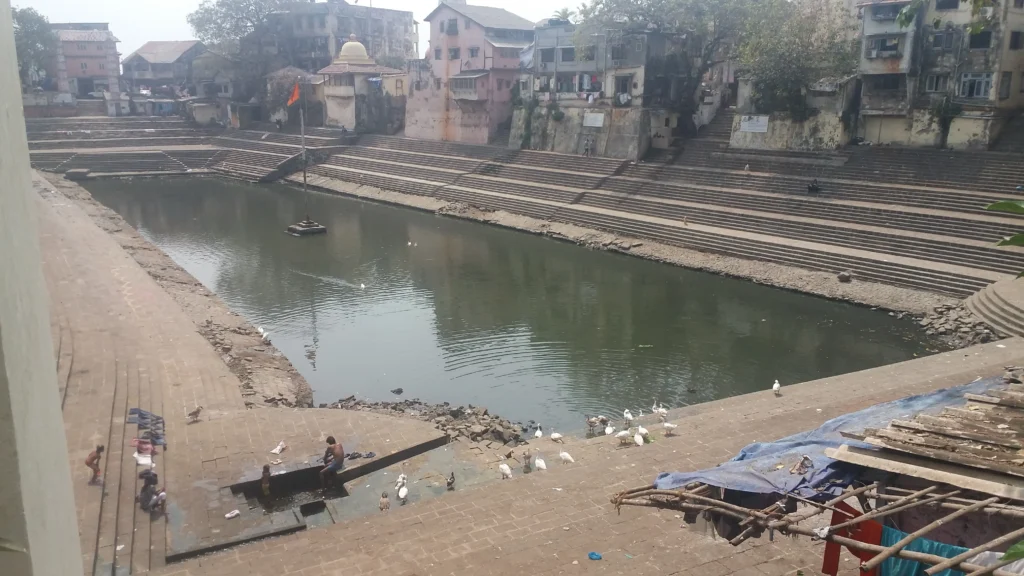
1. Introduction: An Oasis of Peace
The Banganga Tank is a rectangular water tank surrounded by a series of ancient steps (ghats) and temples. Located within the Walkeshwar Temple complex at Malabar Hill, it is famous for being a freshwater spring located just meters away from the salty Arabian Sea.
This spot is a favorite for photographers, history buffs, and pilgrims. It offers a rare glimpse into the “old Bombay” that existed long before the British arrived. Whether you are a local resident seeking a quiet evening or a foreign tourist wanting to see India’s spiritual side, the energy here is truly magnetic.
2. History & Cultural Importance
The history of the banganga tank is steeped in the Ramayana. Legend has it that while Lord Rama was on his way to rescue Sita, he paused at this spot. Thirsty and unable to find fresh water, he shot an arrow (baan) into the ground. A tributary of the Holy Ganges (Ganga) instantly sprouted from the earth to quench his thirst—hence the name “Banganga.”
The current structure of the tank dates back to the 1120s, built by the Silhara dynasty. Over the centuries, the surrounding area has grown into a mini-Varanasi, with dozens of small shrines, monasteries (mutts), and cremation grounds. This site is critically important to Mumbai tourism because it represents the city’s pre-colonial heritage, proving that Mumbai was a center of culture and faith long before it became a commercial hub.
3. Why You Should Visit
Why should you include this in your Mumbai tour? Here’s why locals and travelers love it:
- The Atmosphere: The sound of temple bells, the chanting of priests, and the sight of ducks swimming in the green water create a meditative environment.
- The “Varanasi” Vibe: You don’t have to travel to North India to experience the magic of a holy ghat; Banganga offers that same spiritual intensity on a smaller, more intimate scale.
- Architectural Beauty: The mix of ancient stone steps and modern colorful houses creates a visual contrast that is a dream for street photographers.
- Spiritual Connection: Visiting the babulnath temple and the walkeshwar temple in one go allows you to experience two of the most powerful Shiva shrines in the city.
4. Nearby Places at Walking Distance
The area around Malabar Hill and Girgaon is incredibly rich in heritage. You can easily visit these four spots on foot or via a very short taxi ride.
1. Walkeshwar Temple
- Walking Distance: 1 minute (Located right next to the tank).
- Why Visit: This is the spiritual anchor of the neighborhood. The walkeshwar temple is dedicated to Lord Shiva and is exceptionally peaceful. It is believed that the original lingam here was made of sand by Lord Rama himself.
2. Jain Temple (Ridge Road)
- Walking Distance: 10 to 12 minutes.
- Why Visit: Formally known as the Babu Amichand Panalal Adishwarji Jain Temple, this is one of the most beautiful temples in India. The interiors are covered in intricate carvings and colorful paintings depicting Jain mythology. It is a quiet, respectful space that offers a great view of the city.
3. Mani Bhavan (Gandhi Museum)
- Walking Distance: 20 minutes (or a 5-minute taxi).
- Why Visit: Mani Bhavan served as Mahatma Gandhi’s headquarters in Mumbai between 1917 and 1934. Now the mani bhavan gandhi sangrahalaya, it houses a library, a photo gallery, and the room where Gandhi lived. The mani bhavan gandhi museum is a moving tribute to the Indian freedom struggle.
4. Babulnath Temple
- Walking Distance: 15 to 20 minutes (Walking through the picturesque lanes toward Girgaon Chowpatty).
- Why Visit: Sitting on a small hillock, the babulnath temple is one of the oldest and most visited Shiva temples in Mumbai. The limestone carvings on the pillars are breathtaking. Visiting the babulnath mandir is especially popular on Mondays, which are dedicated to Lord Shiva.
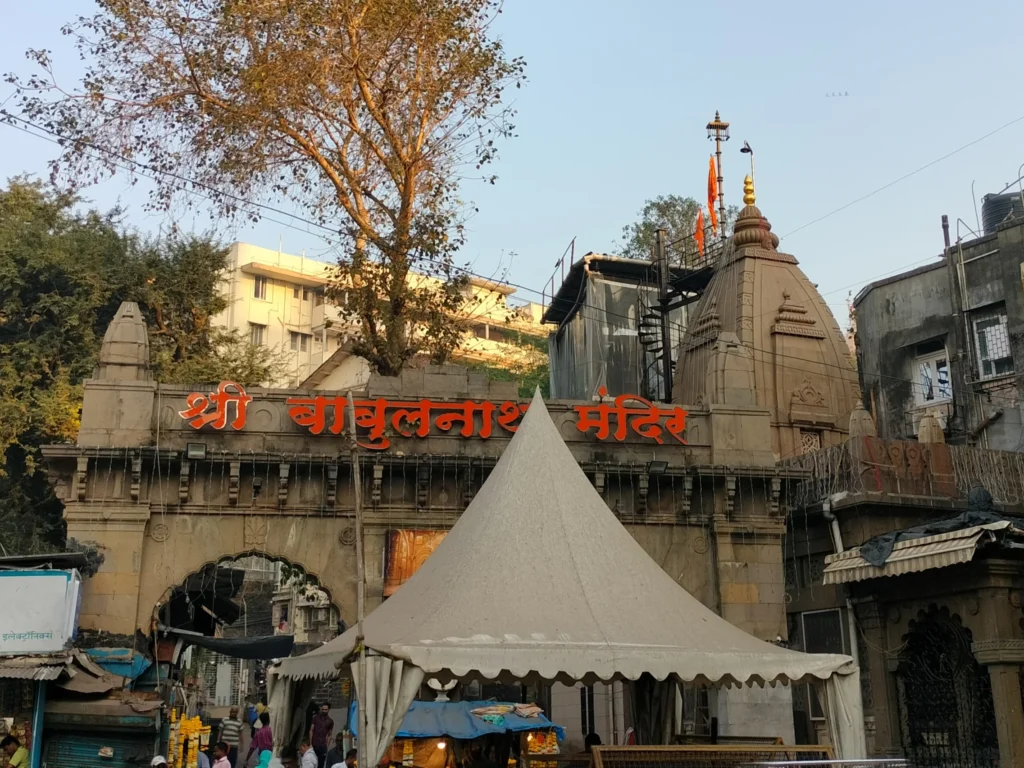
5. Things to Do
- The Evening Aarti: Try to be at Banganga or the babulnath temple during the evening prayer for a soul-stirring experience.
- Photography: Capture the reflection of the surrounding temples in the still waters of the tank.
- Feed the Ducks: It’s a local tradition to feed the many ducks that call the tank home.
- Museum Walk: Spend an hour at the mani bhavan gandhi museum to understand the history of non-violence in India.
6. Entry Fees & Charges
- Banganga Tank: Free.
- Babulnath Mandir: Free.
- Walkeshwar Temple: Free.
- Mani Bhavan: Small entry fee (usually around ₹20 for adults).
- Photography: Mobile photography is generally allowed for free, but be respectful and avoid taking photos inside the inner sanctums of the temples.
7. How to Reach
- By Local Train: The nearest station is Charni Road (Western Line) or Grant Road. From there, it is a 10-minute taxi ride to the tank.
- By Bus: Several buses go to “Malabar Hill” or “Kamala Nehru Park,” which is a short walk away.
- By Taxi / Cab: Ask for “Banganga” or “babulnath temple.” Most drivers are very familiar with these landmarks.
- From Airport: It is about 22 km from the airport. Take the Sea Link for a faster and more scenic journey into South Mumbai.
8. Best Time to Visit
- Best Months: October to March (the winter months in Mumbai are mild and perfect for walking).
- Best Time of Day: Early morning (7:00 AM) for a peaceful spiritual experience, or Sunset (5:30 PM) to see the rituals on the ghats.
- Babulnath Mandir Timings: The temple usually opens at 5:00 AM and stays open until 10:00 PM, though it may close briefly in the afternoon. Check the babulnath temple timings locally if you plan to visit on a festival day.
9. Travel Tips
- Crowd Management: Babulnath temple is extremely crowded on Mondays and during the festival of Mahashivratri. If you prefer peace, visit on a weekday morning.
- Footwear: Wear easy-to-remove sandals or flip-flops since you will be taking them off frequently at the various temples.
- Stay Respectful: Banganga is also a residential area and a place for rituals. Avoid making loud noises or interfering with people performing religious ceremonies.
Forget the hassle and choose CABTAN—Mumbai’s most punctual and affordable cab service. Our trained drivers ensure a safe, reliable, and completely worry-free journey. Fill out the form below to book your ride now.